As we outline in greater detail in a Hoops Rumors glossary entry, even though the NBA doesn’t have a hard cap by default, a wide variety of roster moves can impose a hard cap on a team for the remainder of that league year. Some of the most common ways a team can become hard-capped are by using the mid-level or bi-annual exception, using the “expanded trade exception” to back more salary than it sends out in a trade, or by using a trade exception created during the previous season (or the previous offseason).
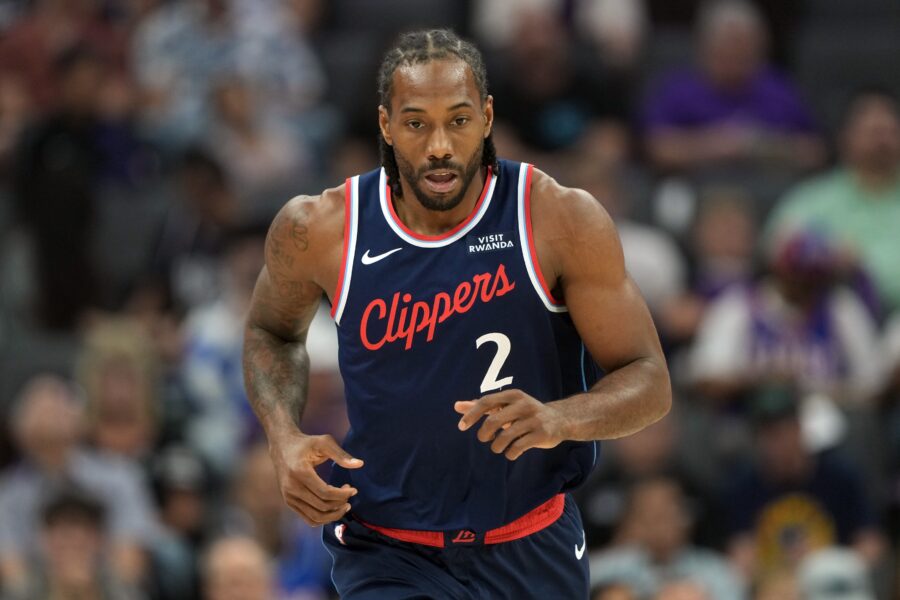
So far this offseason, a total of 22 teams have hard-capped themselves at one of the two tax aprons as a result of various roster moves. Four of those teams are hard-capped at the second apron (roughly $221.7MM), while 18 are capped at the first apron ($209MM), with a 19th team set to join that latter group if and when the Raptors complete their acquisition of Kawhi Leonard from the Clippers.
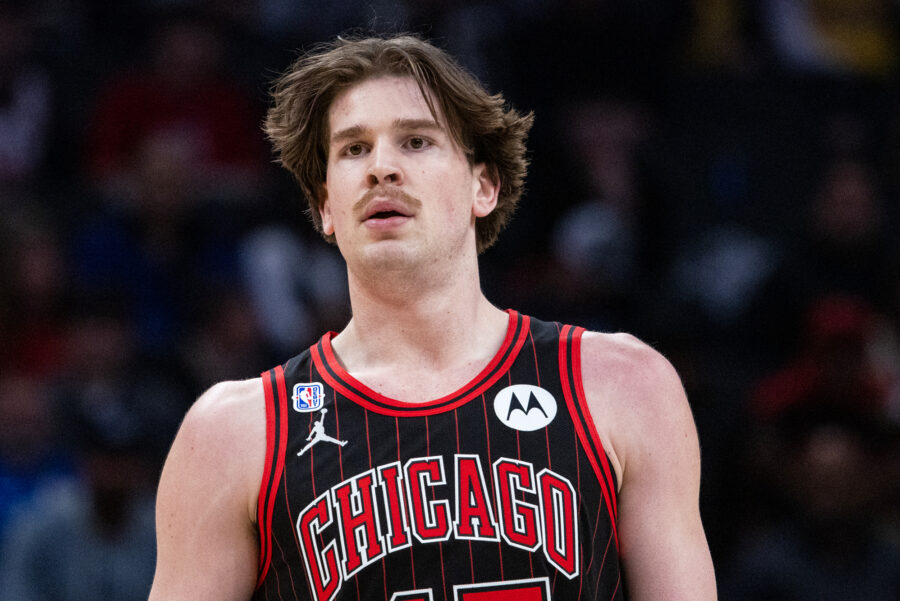
For many of those clubs, having a hard cap won’t be an issue at all for the rest of 2026/27. The Bulls, for example, technically hard-capped themselves at the first apron when they used a trade exception at last month’s draft to acquire Kam Jones from Indiana, but Chicago’s team apron salary currently sits just above $165MM, nearly $44MM away from the $209MM first apron. It’s safe to say they won’t be in any danger of running up against that hard cap over the course of the season.
Today, we’re taking a closer look at which of the hard-capped teams around the NBA actually have to carefully navigate those thresholds for the rest of the season and which ones – like the Bulls – shouldn’t have any real concerns about their respective situations.