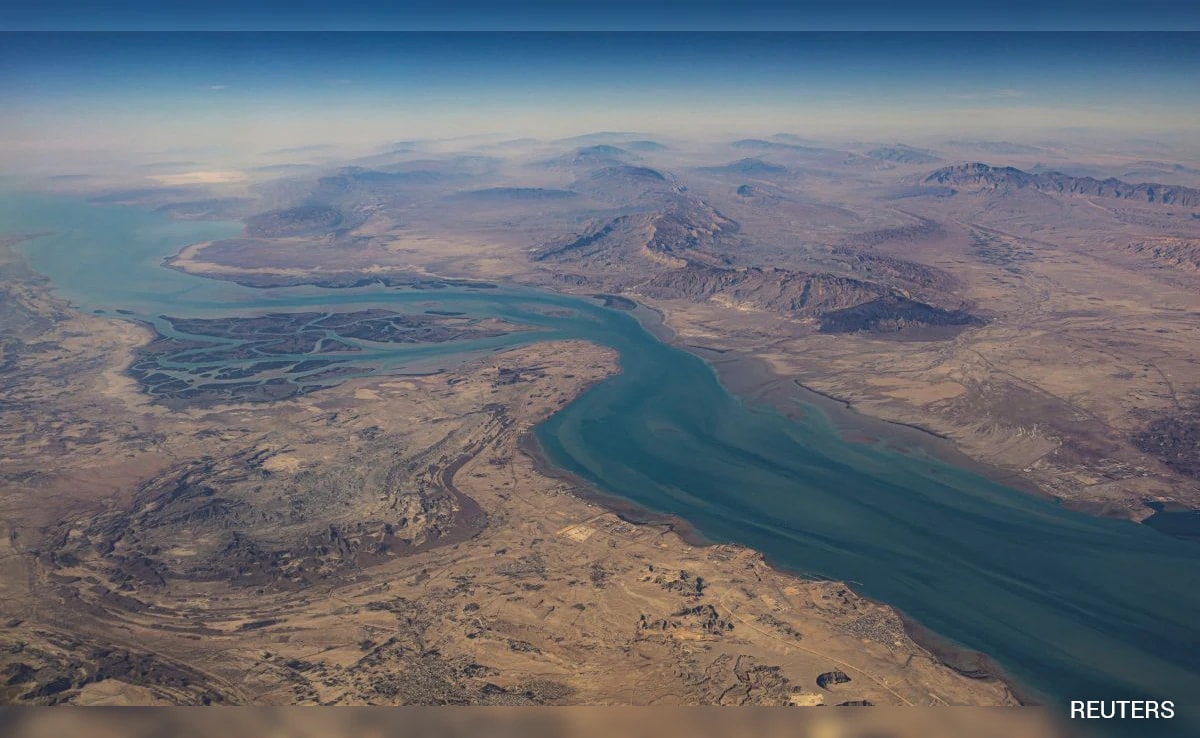
Iran’s Revolutionary Guards have released a fresh map marking the stretch of the Strait of Hormuz they say falls under their military authority, according to state media.
The delineated zone runs from a western boundary drawn between Iran’s Qeshm Island and the UAE’s Umm al Quwain, and extends eastward to a line connecting Iran’s Mount Mobarak with Fujairah in the UAE.
A spokesperson for the force issued a stark warning alongside the announcement, saying any ship that breaches Iran’s regulations in the strait would be “stopped by force,” highlighting Tehran’s firmer stance over one of the world’s most critical oil corridors.
The development comes as tensions with the United States intensify. US President Donald Trump recently said Washington was prepared to assist vessels stranded in the passage.
Iran’s military swiftly rejected the idea, urging American forces to stay away and insisting that any navigation through the strait must be coordinated with its own forces.
Trump offered limited specifics about the proposed assistance, but said ships and crews have been “locked up” in the waterway for over two months, facing shortages of food and essential supplies since the conflict began.
Posting on Truth Social, he said, “We have told these Countries that we will guide their Ships safely out of these restricted Waterways, so that they can freely and ably get on with their business.”
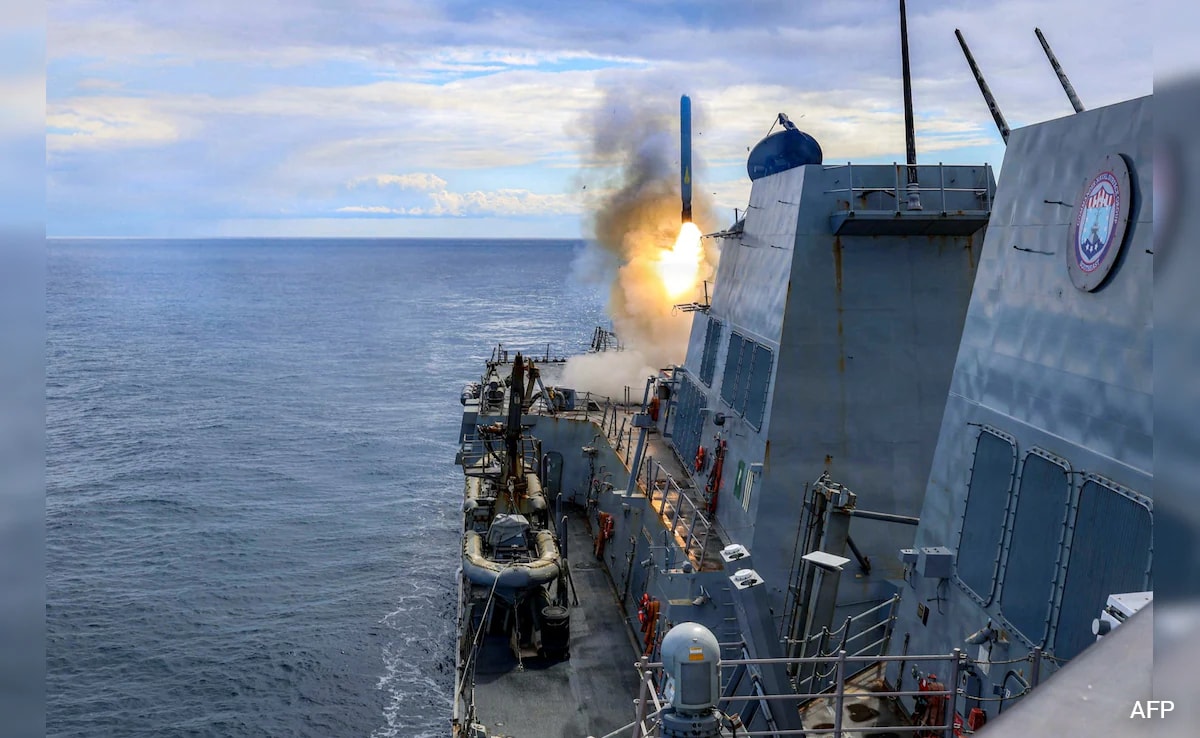
US Central Command indicated it would back the effort with a deployment of 15,000 troops, supported by more than 100 aircraft across land and sea, as well as warships and drones.
Iran’s unified military command responded with a sharp warning, cautioning that any US presence in the strait would draw a forceful reaction.
“We have repeatedly said the security of the Strait of Hormuz is in our hands and that the safe passage of vessels needs to be coordinated with the armed forces,” Ali Abdollahi, who leads the unified command, said in a statement.
“We warn that any foreign armed forces, especially the aggressive US army, will be attacked if they intend to approach and enter the Strait of Hormuz.”
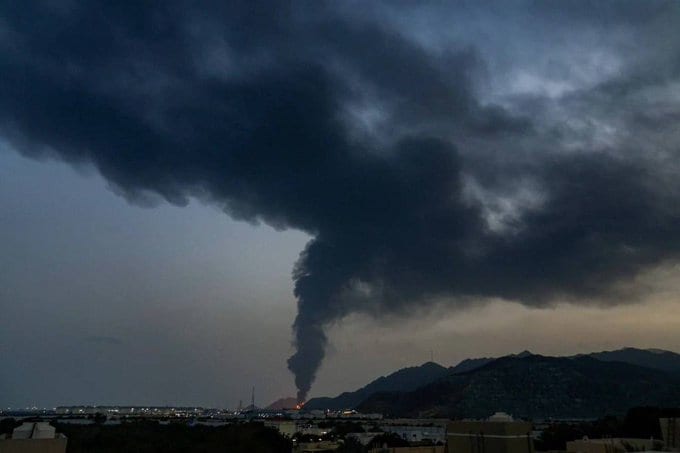
The standoff has left hundreds of vessels and thousands of crew members stranded, while incidents of ships being targeted or seized have heightened fears over maritime safety.
As both sides dig in, the Strait of Hormuz, a crucial lifeline for global energy supplies, is fast becoming a key flashpoint, fuelling oil market volatility and raising the stakes for international shipping.