Kathmandu:
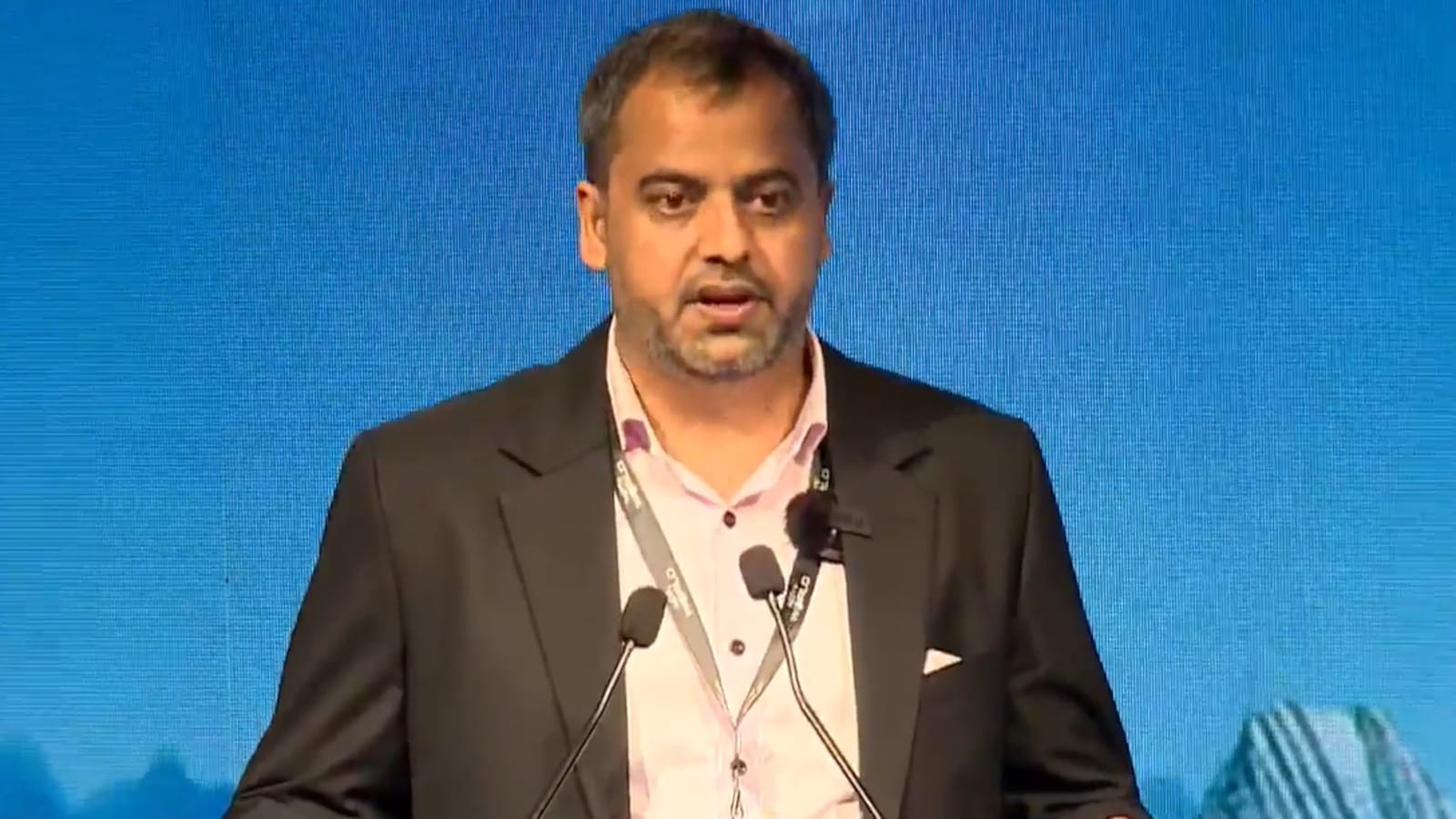
Diwas Kumar, the CEO of FonePay believes Intraoperable digital systems are the need of the hour to enhance economic ties between India and Nepal. Fonepay is Nepal’s largest digital payment network.
Kumar made the comments at NDTV World’s new dialogue series, “NDTV Anviksha: Ideas Across Borders“, which was launched today in Kathmandu.
The CEO said that there is a need to reduce gaps in cross-border payments between the countries. Kumar said Nepal was one of the youngest countries in the region, due to its youth population.
“We now have a generation that has never known a cash economy, only builds business over the phone, and expects the same digital convenience as their peers in Bengaluru or Singapore,” he stated.
#NDTVWorldAnviksha | Nepal’s Digital Future: FonePay CEO Diwas Kumar On Building A Seamless India Link #NDTVAnviksha #IdeasAcrossBorders #IndiaNepalDialogue pic.twitter.com/uAaJrS4OeD
— NDTV (@ndtv) August 27, 2026
Kumar said that remittances from young people form a quarter of Nepal’s economy. Referencing the Iran-US conflict which started in February, the FonePay boss said that the moment showed “how quick those foundations can shake.”
A Shared Future For India And Nepal
He called the India-Nepal corridor among the most active in the region, but said that its next generation “cannot run on the infrastructure of the previous one.” Kumar cited the need for “intraoperable digital systems” between the countries that let small businesses grow seamlessly.
He explained how Indian travellers in Nepal could use QR codes issued by providers like FonePay, but a similar facility was not available for Nepalese visitors in India. Kumar added that businesses were relying significantly on technology built in the 1990s.
The FonePay chief explained that there is a lack of cross-border payment rails on India-Nepal’s largest trade corridor, with just one such rail open.
According to Kumar, the shared future of India-Nepal ties was a QR code that works the same way “on both sides of the open border”. He said that with open borders, young entrepreneurs could reach a bigger market of almost 1.5 billion people instead of just 30 million domestic consumers.