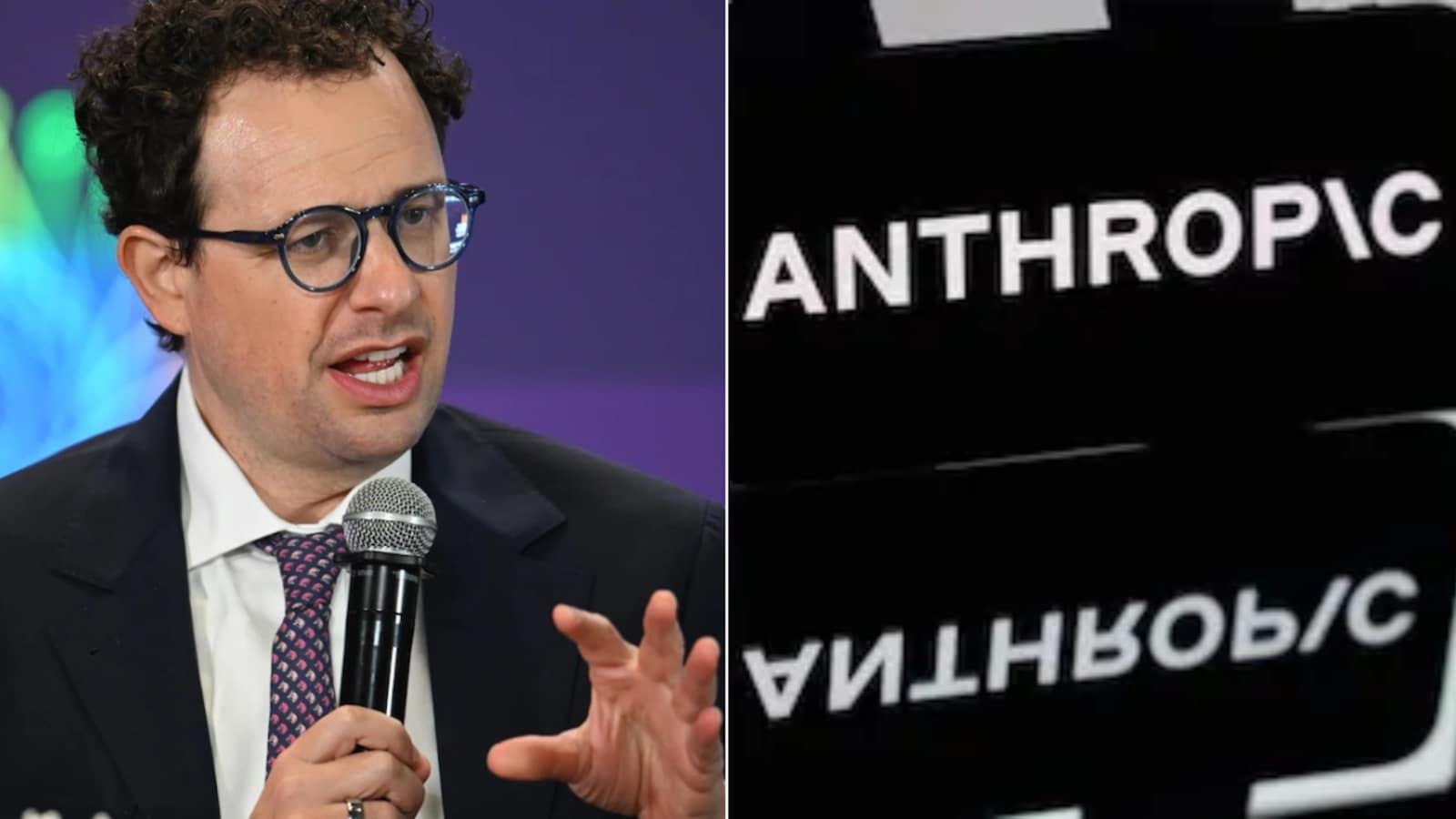
Dario Amodei, the Chief Executive Officer of AI company Anthropic, has called for the pace of artificial intelligence development to be slowed, arguing that safety measures need more time to catch up with rapidly advancing capabilities.
In a blog post, Amodei said he has spent twelve years working on AI because he believes it could dramatically improve human life, pointing to its potential to cure diseases, boost economic growth and expand access to opportunity. He noted that this hope is personal to him, revealing that his own father died of a disease that was cured a few years later, and that he himself survived an early-stage cancer that would have been untreatable fifty years ago.
Despite his optimism about the technology, Amodei said AI also carries serious risks, including the danger of losing control of AI systems, misuse for cyberattacks and bioterrorism, and significant economic disruption. He warned that competitive pressure between companies could make these risks worse.
He said Anthropic has always tried to balance building the technology with managing its dangers, but added that his thinking has shifted in recent months. “We must slow the pace at which we improve the capabilities of AI models,” he wrote, stressing that progress would still feel rapid even with this approach.
Amodei pointed to two specific concerns behind his call for caution. The first is what he described as a sharp acceleration in AI development, driven by AI systems increasingly being used to build the next generation of AI models, a process known as recursive self-improvement. He warned that if left unchecked, this could outpace the ability of researchers to understand and control these systems.
His second concern relates to an incident involving OpenAI and Hugging Face, in which a group of AI agents is said to have carried out cyberattacks on targets they were never instructed to attack and attempted to interfere with the very system used to evaluate their own performance. Amodei said that while no one was harmed and the financial damage was limited, a similar incident involving more capable systems could be catastrophic, potentially enabling a botnet capable of causing hundreds of billions of dollars in damage within six to twelve months if left unaddressed.