New Delhi:
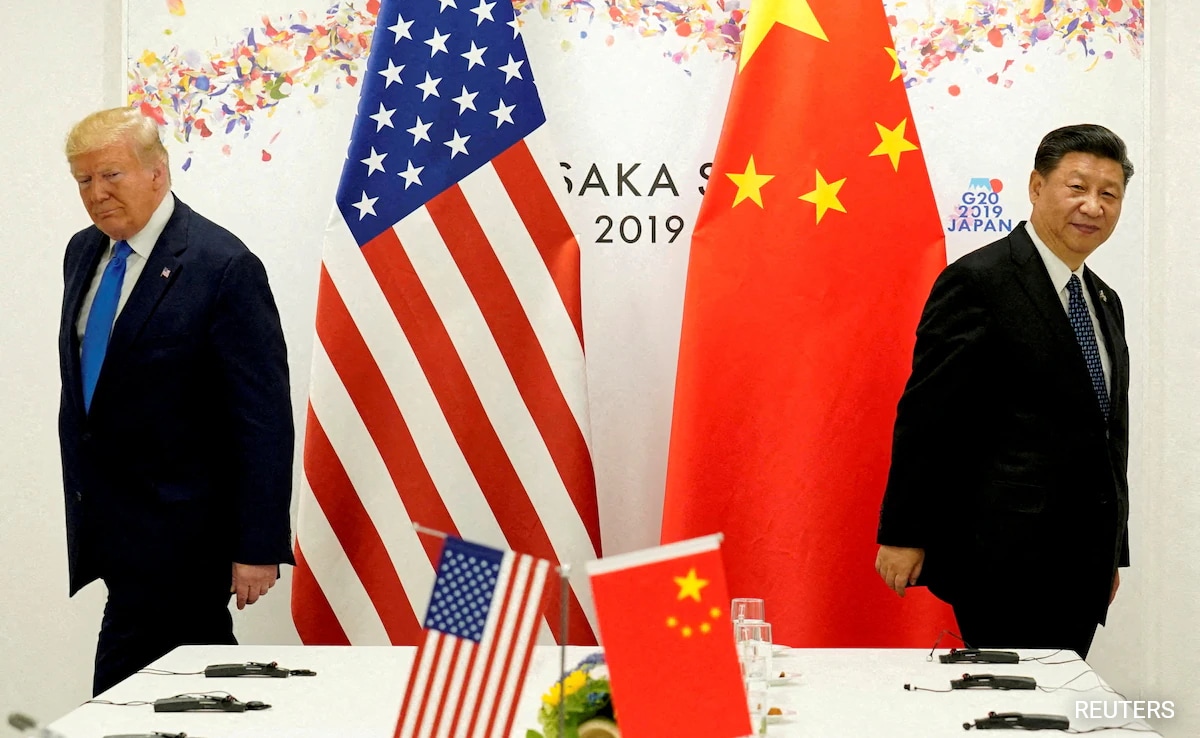
As US President Donald Trump and Chinese President Xi Jinping prepare for talks in Beijing this week, a less visible but increasingly important battle is intensifying between the two countries: a currency war.
In the US, rising debt levels and the expanding use of sanctions in foreign policy have triggered debate over the long-term strength of the US dollar as the world’s reserve currency. These concerns have also been reflected in global markets with higher demand for gold and an increase in oil transactions being settled in alternative currencies, including China’s renminbi and, in some cases, cryptocurrencies.
Against this backdrop, the Trump administration is working on measures to reinforce the dollar’s global position. One of the key proposals under discussion is the creation of currency “swap” lines with several countries in the Gulf region and Asia, The New York Times reported.
These arrangements, which could be managed either through the US Treasury Department or the Federal Reserve, are aimed at ensuring that partner countries have enough access to US dollars for trade and financial transactions which will reduce the need to rely on other currencies.
Under such swap agreements, the US exchanges dollars for another country’s currency. This method is mostly used during periods of global financial stress to stabilise markets.
“The Trump administration’s eagerness to extend currency swap lines to US allies in the Gulf is clearly intended to protect those countries from the fallout of the war in Iran while also sidelining China from playing a major role in the region,” Eswar Prasad, a Cornell University professor and former IMF official told New York Times.
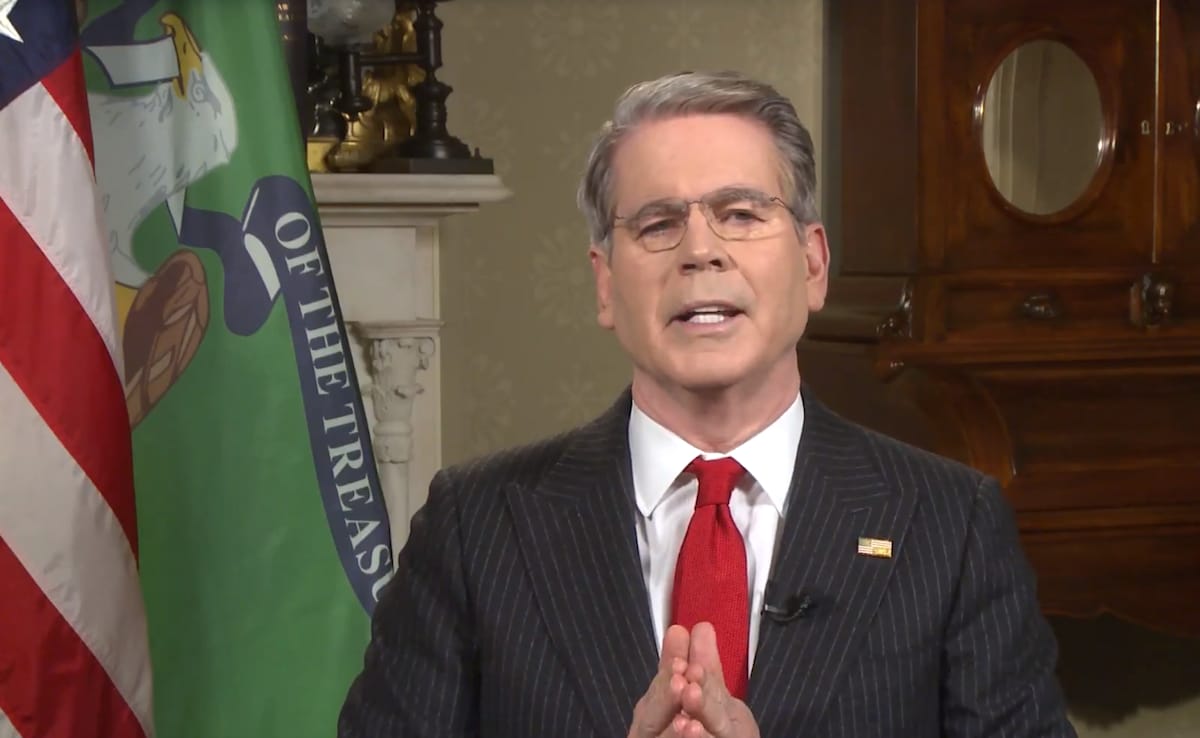
US Treasury Secretary Scott Bessent has been leading discussions on the issue, as per the report. He recently said he had explored a potential swap line with the UAE. He explained that he supports the idea in order to maintain stability in dollar funding markets and prevent disorderly financial movements.
In a social media post, Bessent said such arrangements are also meant to strengthen long-term dollar use. “Extending permanent swap lines can be a major first step in creating new US dollar funding centers in the Gulf and Asia,” he wrote.
China, meanwhile, has been expanding its own network of currency swap agreements through the People’s Bank of China by signing deals with more than 40 countries since 2009 to promote wider use of the renminbi in global trade.
The US currently maintains six active Federal Reserve swap lines with major partner economies, which were temporarily expanded during the pandemic to include countries like South Korea, Australia and Singapore.