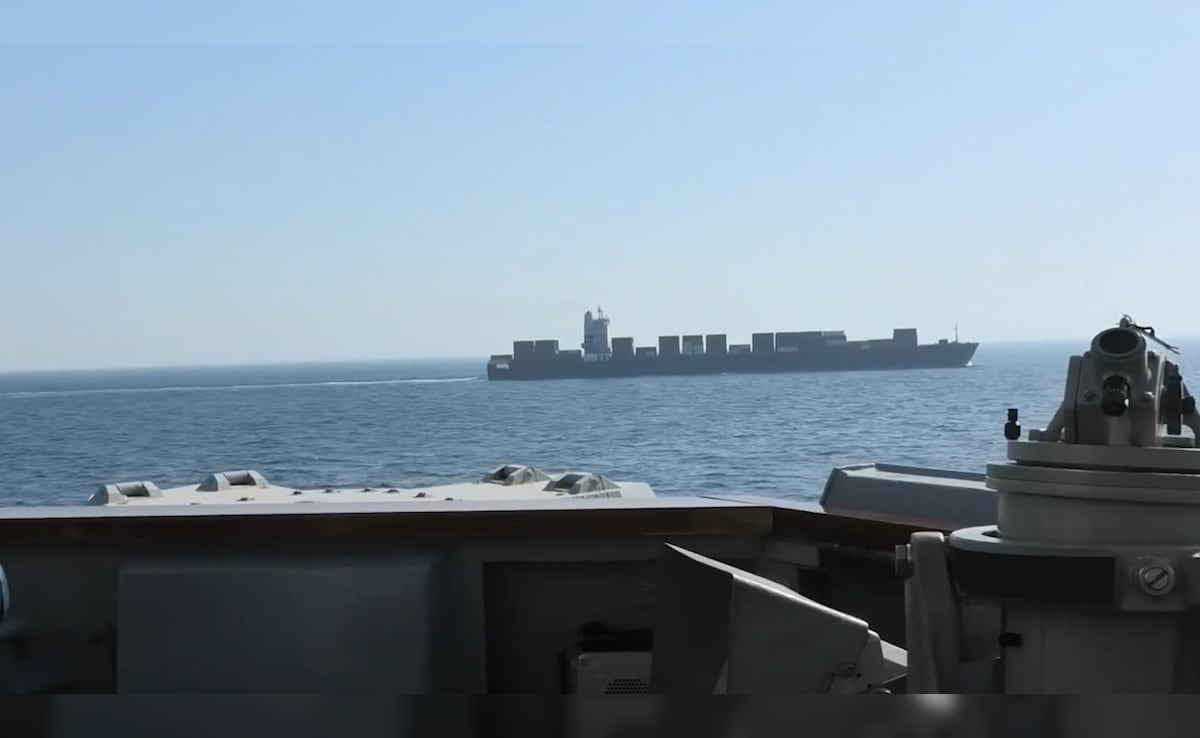
Seagulls settle on poles as boats navigate the sea on April 28, 2026 on Qeshm Island, Iran in the Strait of Hormuz.
Asghar Besharati | Getty Images
U.S. Treasury yields moved higher Monday as investors weighed the latest news coming out of the Middle East and awaited a fresh batch of economic news on the labor market later this week.
The 2-year Treasury yield moved up 3.7 basis points to 3.925% while the benchmark 10-year note moved up 3.2 basis points to 4.41%.
A basis point equals 0.01 percentage point. Yields and prices move in opposite directions.
Fixed income yields rose following conflicting reports out of the vital Strait of Hormuz shipping channel.
Iranian state media reported that the country had hit a U.S. warship in the area, though U.S. Central Command later denied the report. Stock market futures slipped off the report but were off their lows, while oil prices climbed but came off earlier highs.
As the latest events in the Middle East hit markets, traders also awaited a data later in this week that will provide more clues on the muddy U.S. jobs picture.
The Bureau of Labor Statistics is set on Friday to release the April nonfarm payrolls count. Economists surveyed by Dow Jones are expecting a gain of just 53,000 following the robust 178,000 in March. The unemployment rate is expected to hold steady at 4.3%.
Markets have been weighing how the Federal Reserve will react to an economic picture that includes inflation well above the central bank’s 2% target and mixed messages coming out of the labor market.
The rate-setting Federal Open Market Committee next meets June 16-17, and traders are pricing in only a slight chance of a rate cut then. While market pricing is pointing to few moves this year, last week’s FOMC meeting and subsequent statements from three officials indicate misgivings about the direction of monetary policy.
Regional presidents Neel Kashkari of Minneapolis, Lorie Logan of Dallas and Beth Hammack of Cleveland all indicated that they objected to an apparent easing bias expressed in the committee’s post-meeting statement. Kashkari said Sunday in an appearance on CBS’s “Face the Nation” that he could see a rate increase in the worst-case scenario where inflation holds at elevated levels.