The world is witnessing the extreme impact of El Nino, a natural climate phenomenon that can shape weather patterns across the globe. Spanish for “little boy”, El Nino was first used by the Spanish fishermen in South America in the 1600s after observing that warmer oceans would disrupt fisheries and bring intense rainfall and storms and become noticeable around Christmas. But in the past few decades, the period of this weather phenomenon increased and this year, it is intensifying ahead of its forecast peak in December.
Also Read | How El Nino And Warming Oceans Could Shape Earth’s Climate In 2027
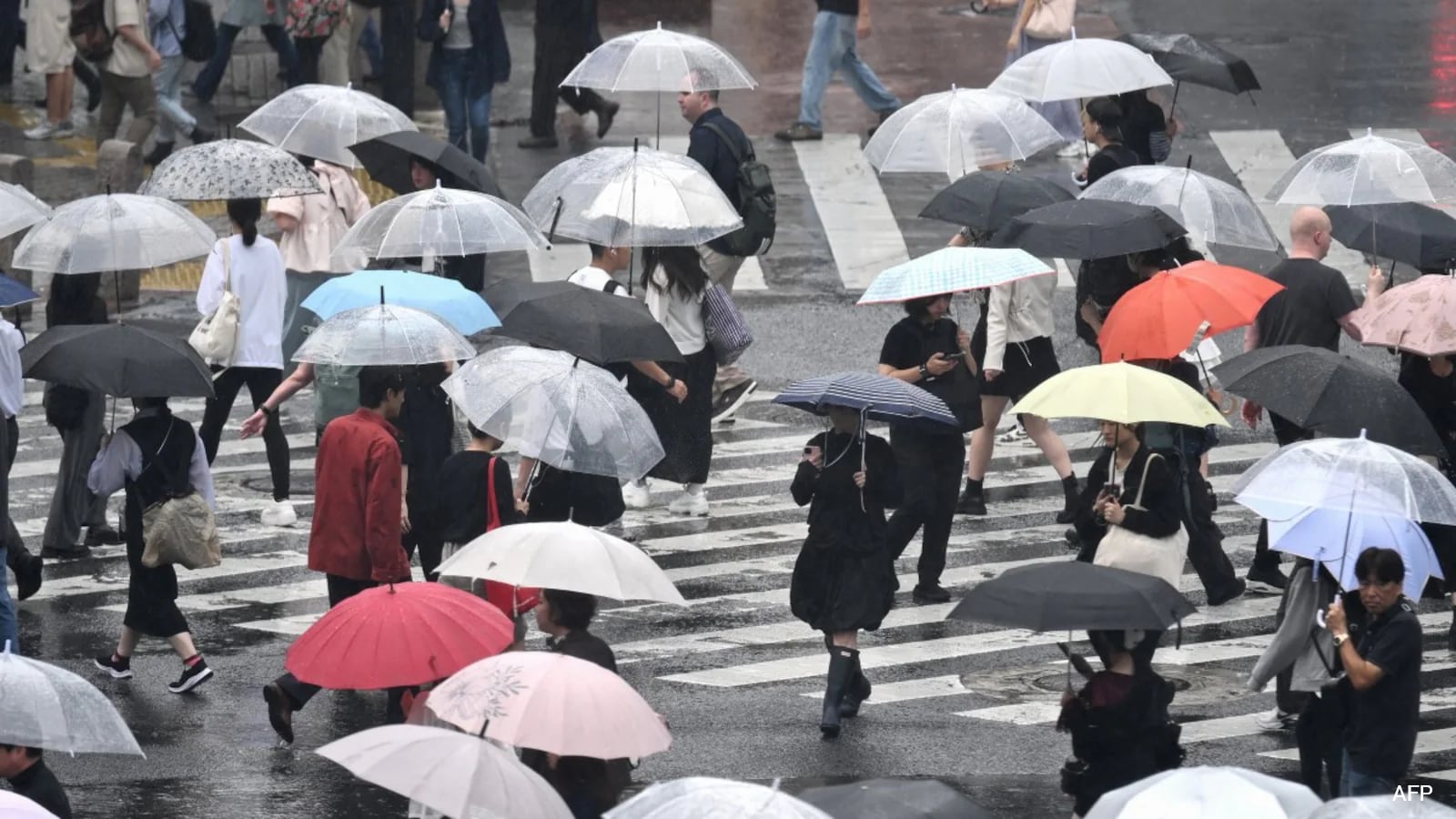
The World Meteorological Organisation (WMO), El Nino has resulted in unusual weather extremes in different parts of the world – while the Atacama Desert in Chile blossomed, Japan’s capital Tokyo recorded 35 consecutive days of rain, the longest streak since 1886.
Under the influence of a strengthening El Nino, millions of seeds and bulbs from around 200 different species of flowers bloomed in Atacama in September because of heavy rain.
Atacama, one the driest regions, saw flowers bloom.
Photo Credit: AFP
Photos posted from by tourists drawn to the breathtaking scenery showed vast stretches of violet carpeting the driest non-polar desert on Earth.
The Atacama lies between the Pacific Ocean and the Andes Mountains, stretching some 1,600 kilometers all the way down the northern coast of Chile.
READ | “Earth Almost Entirely In Red”: Warnings As “Super-Duper El Nino” Intensifies
Between July and August, Chile recorded record rainfall in several regions, with some levels never seen since measurements began in the 1950s. Some parts recorded over 180 millimetres of rain, which Cesar Pizarro, head of Atacama biodiversity for Chile’s forestry body CONAF, said “had never been recorded before”.
The strange sight occurred at a time when Tokyo suffered ‘rain fatigue’ triggered by El Nino. Japan’s capital had seen continuous rain for over a month, causing sharp rise if prices of vegetables, casting a shadow over tourism and left millions in Tokyo wondering if they will see sunshine again.
Central Tokyo received nearly three times the normal level of rain in the month of September, according to Mainichi Shimbun. It experienced just 45.8 hours of sunshine over the same period, the second lowest on record, the agency further said. On 14 days, the sun did not appear at all.
This was the longest period of rain in Tokyo; the previous one lasted 33 days from June 27 to July 29, 2019.
The World Meteorological Organisation (WMO) is warning of record levels of sea-surface temperature across the planet between October and December this year.
The UN agency further said El Nino is one of the strongest since 1950 and will persist through February 2027.