The Iranian strikes that killed three US soldiers in Jordan show how quickly Tehran has improvised its war tactics, despite the Pentagon using large numbers of its missile interceptors.
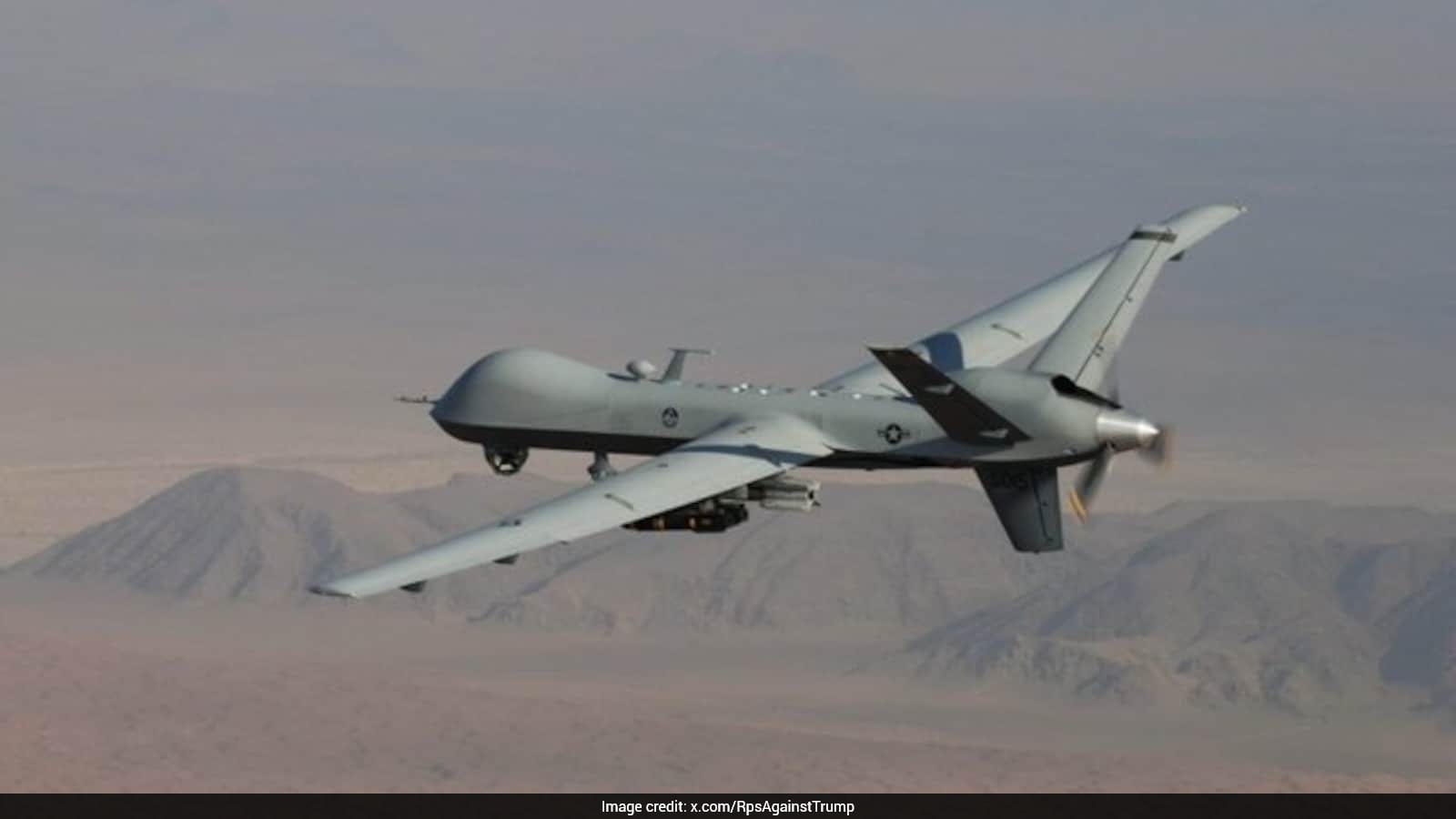
Russia has often used drones, along with ballistic and cruise missiles, to confuse Ukrainian air defences. Instead of relying on any one type of weapon, Iran is also using the same approach. It is now deploying drones and multiple types of missiles together.
For five days, Iran repeatedly launched waves of drones and missiles at three US bases in Jordan. The aim was to put pressure on Washington’s air-defence systems and force American forces to use their Patriot interceptor missiles.
Iran also used missiles capable of suddenly changing direction and making it harder for the US to shoot down. For the first four days, US air defences managed to stop most of the incoming weapons. On July 17, one Iranian missile penetrated the defences and hit temporary housing at a US base.
“We shot down almost all the missiles. One leaked through,” Secretary of State Marco Rubio told The NY Times.
The strike killed three US soldiers and wounded over 100 others. Several aircraft were also damaged in attacks on US bases in Jordan that week. The Pentagon has used more than 1,500 Patriot interceptors during the war and has fewer than 1,700 left, according to two people briefed on US weapons stocks.
Seth G Jones, the president of the defense and security department at the Center for Strategic and International Studies, said, “The Iranians are making it more difficult on air defenses when you have a range of both missiles and drones coming in.”
Iran’s tactics have also been influenced by the war in Ukraine. Russia has repeatedly used combinations of ballistic missiles, cruise missiles and drones in Ukraine.
The US and Israel bombed several Iranian missile sites in the first five weeks of the war. Many of those sites were underground. The US had said Iran’s missile programme was badly damaged. But Iran managed to recover some of the sites and resume missile attacks.
“They have effectively leveraged the Russian tactic to make it more difficult to protect across locations in the Gulf,” said Jones.
Iran is using underground and hidden locations to protect its military assets. Its troops and senior leaders have reportedly moved to different hide-outs across the country.
Iran is also believed to be storing parts of its nuclear programme at a heavily protected underground site known as Pickaxe Mountain. The facility is believed to be more than 300 feet below a mountain. All of this is making the conflict harder for the US.